Brighten Your Basement: Top Lighting Ideas and Options for 2025
December 9, 2025

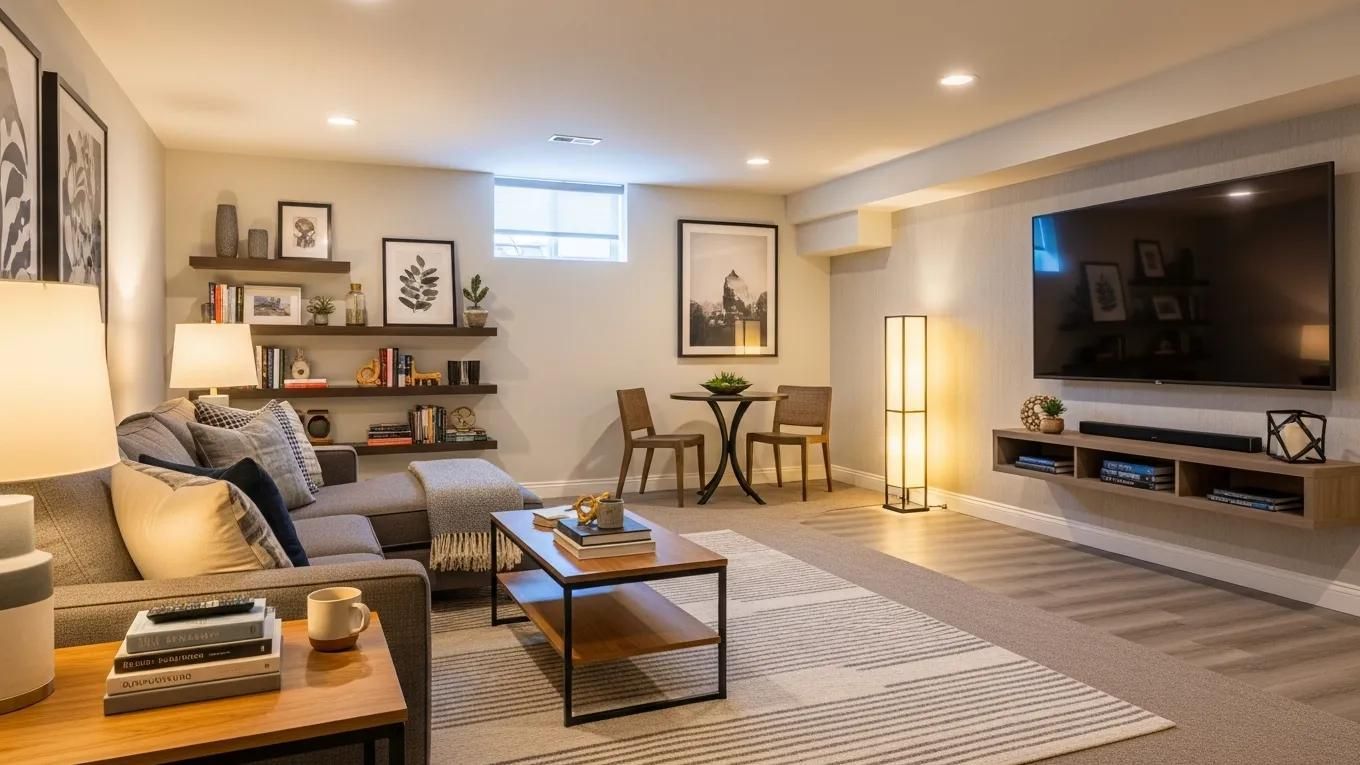
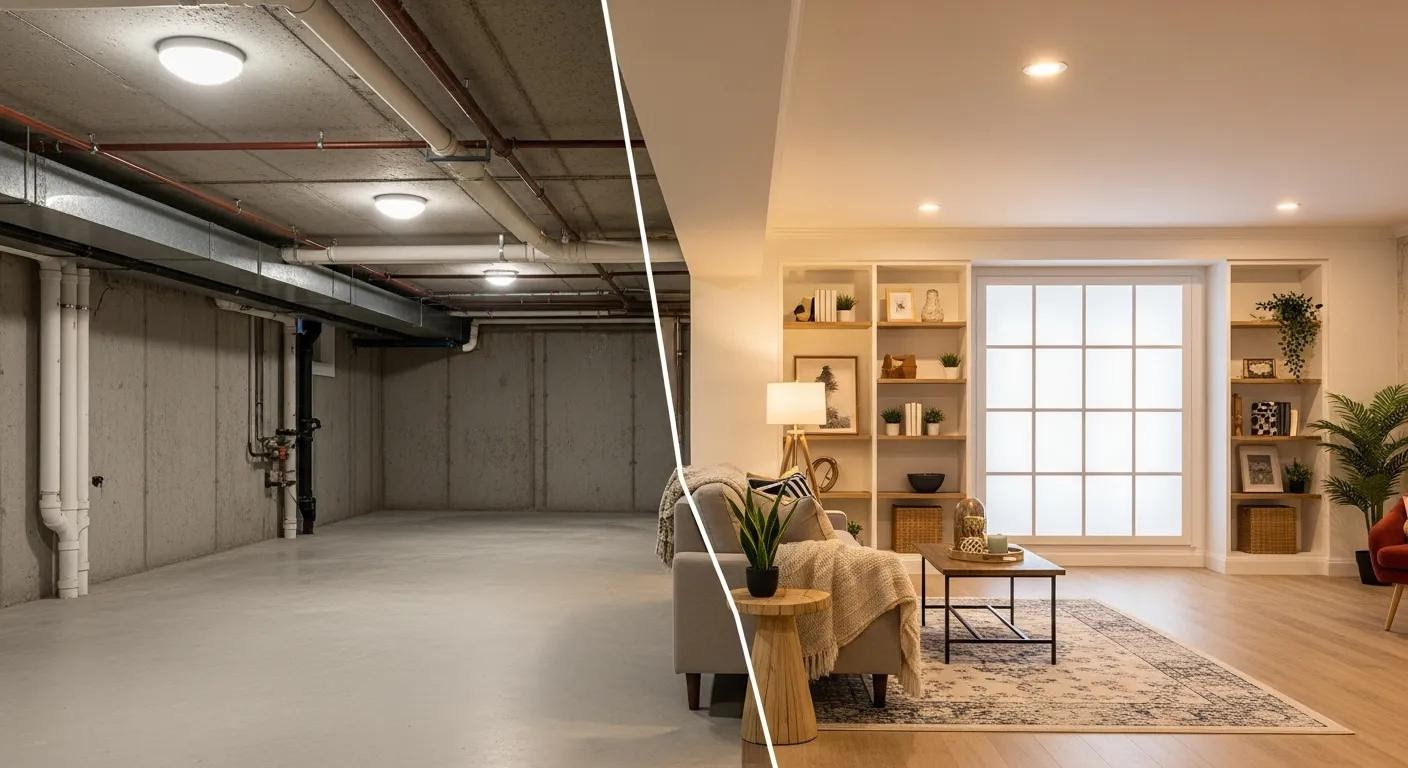
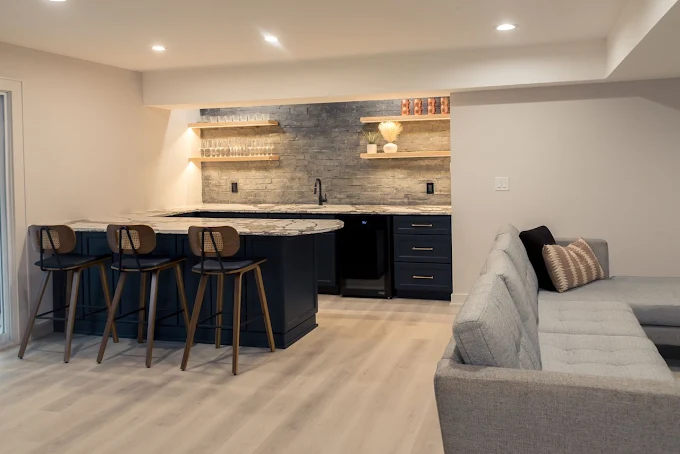
A thoughtfully designed lighting plan can transform a dim, underutilized basement into a vibrant, functional area that feels like a natural extension of your home, especially for those undertaking basement remodeling in Cumming GA. It boosts safety, enhances usability, and sets the perfect mood.
This guide covers the core basement lighting categories, smart solutions for low ceilings and windowless spaces, the advantages of smart lighting technology, and the latest 2025 trends, including layered LED approaches.

By the end, you'll be equipped with practical lighting options for low-clearance ceilings, effective strategies for simulating natural light in windowless rooms, and insights into when professional design and installation are the best route.
TL;DR — Brighten Your Basement: Top Lighting Ideas and Options for 2025
- Layer ambient, task, and accent lighting to balance brightness and define zones
- Space recessed LEDs ~4–6 ft apart; use shallow flush fixtures to preserve headroom
- Faux backlit “windows” and perimeter uplighting brighten windowless rooms
- Smart lighting adds scenes, schedules, motion safety, and tunable white control
- Plan wiring, dimmer compatibility, and permits early; test scenes pre-trim
Schedule your complimentary basement lighting design consultation with Forsyth Remodeling
What Are the Essential Types of Basement Lighting You Should Know?
Essential basement lighting is categorized into three functional types that work in harmony: ambient for general illumination, task lighting for focused activities, and accent lighting to add visual interest and depth.
This layered approach ensures balanced light levels, improving visibility, defining distinct zones, and creating the illusion of higher ceilings, a crucial benefit in basements.

Below is a quick comparison table to help homeowners select the right types for their specific needs, considering ceiling height and typical placement.
| Lighting Type | Ideal For / Ceiling Height | Typical Placement | Dimmable |
|---|---|---|---|
| Recessed Lighting | Ambient / Low ceilings | Evenly spaced across the ceiling | Yes |
| Pendant Lighting | Task / Higher ceilings over bars or islands | Suspended above counters or seating areas | Often |
| LED Strip Lights | Accent / Various heights | Integrated into coves, under shelves, or along steps | Yes |
| Wall Sconces | Accent / Medium clearance spaces | Mounted on perimeter walls or in hallways | Sometimes |
Which Basement Lighting Options Work Best for Low Ceilings and Windowless Spaces?
For basements with low ceilings and a lack of natural light, the key is to select fixtures and strategies that maximize vertical space, diffuse light evenly, and mimic natural brightness.
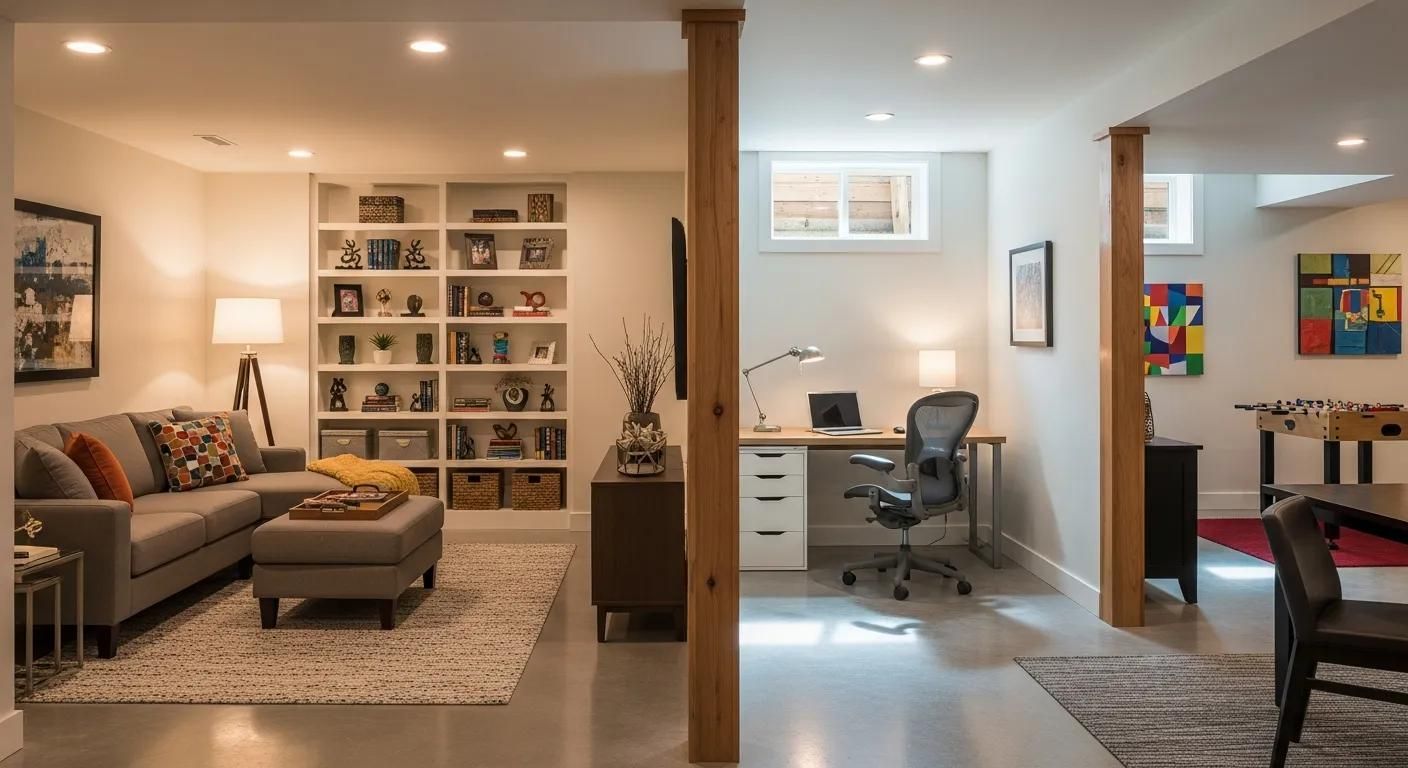
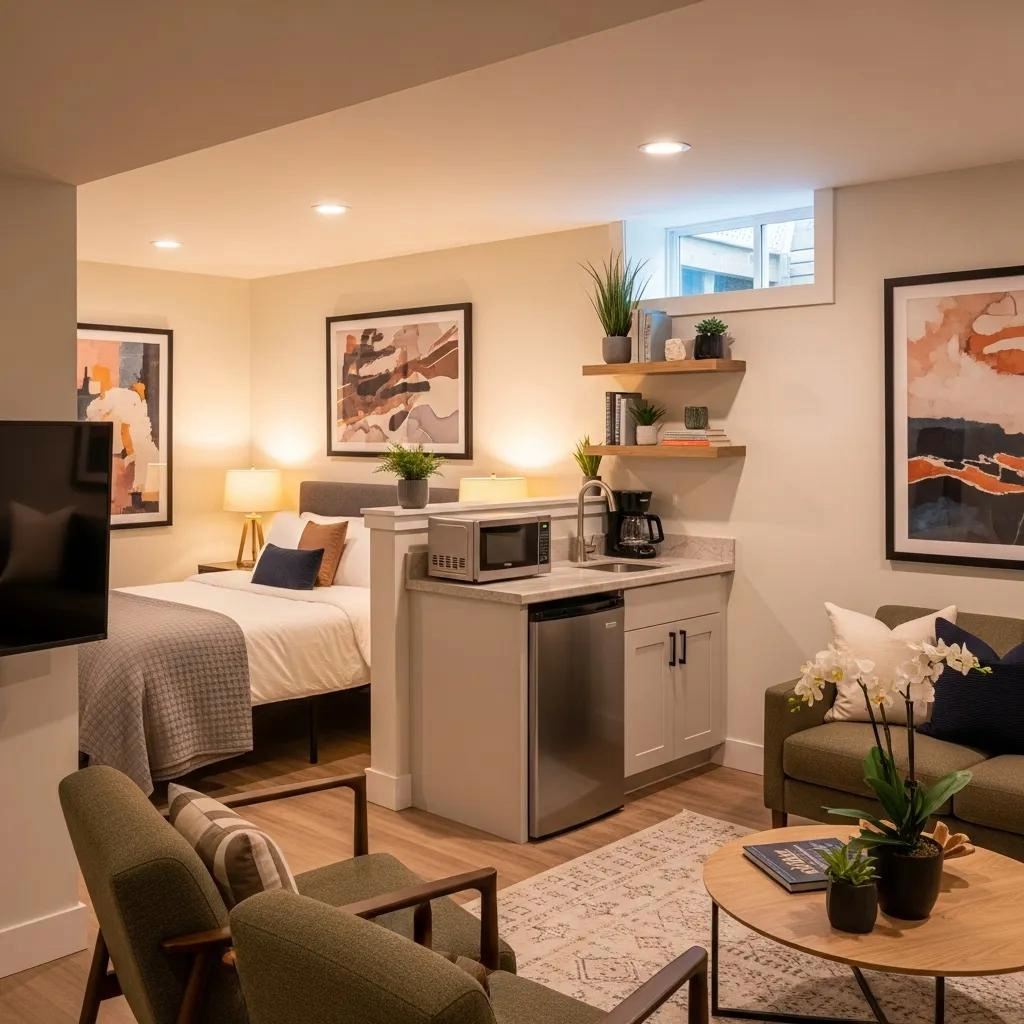
Recessed fixtures, shallow-profile flush mounts, uplighting along perimeter walls, and simulated lighted windows are practical solutions that preserve headroom while enhancing the perception of space and comfort.

The concise table below compares these solutions and highlights their primary strengths for addressing common basement constraints.
| Solution | Key Strength | Ideal Application |
|---|---|---|
| Recessed Lighting | Saves headroom, provides even light distribution | Perfect for ceilings under 8 feet |
| Faux Lighted Windows | Simulates natural light, boosts mood | Excellent for windowless living areas |
| Shallow Flush Fixtures | Low-profile ambient lighting | Simple retrofit option without extensive wiring |
Using recessed LED layouts spaced approximately 4–6 feet apart (adjust based on fixture lumen output and ceiling height) ensures uniform coverage without visual clutter.
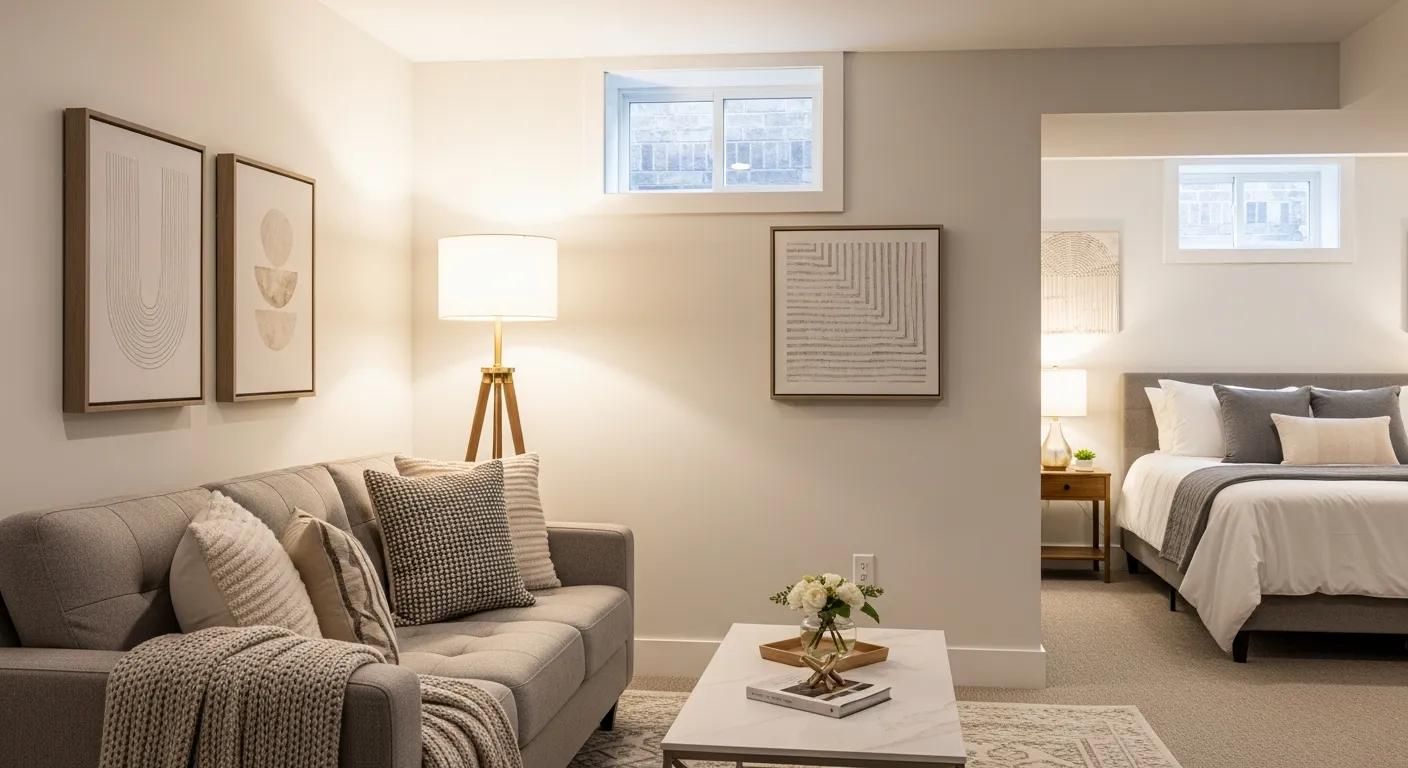
Simulated lighted windows, which can be backlit panels or framed LED “windows”, introduce the appearance of natural daylight and can be paired with warm color temperatures and dimming to achieve a realistic effect.

Forsyth Remodeling expertly installs recessed lighting systems and simulated window solutions during basement renovations and offers design consultations to tailor lighting to specific ceiling constraints and intended room uses.
How Can Smart Lighting Transform Your Basement Lighting Experience?

Smart lighting revolutionizes basement environments by offering customizable scene control, scheduling, color tuning, and automation that adapts lighting to various activities, from movie nights and workouts to entertaining guests.
By integrating dimming capabilities, preset scenes, and app or voice control, smart systems streamline transitions between different lighting modes and improve energy efficiency through features like occupancy sensing and timed schedules.

When implementing smart lighting, it's important to consider hub compatibility, ensure wiring supports dimmable drivers (especially for LED strips), and recognize that professional setup may be necessary for seamless control across all fixtures.
Smart Lighting Features Most Useful for Basement Spaces
The smart lighting features most beneficial for basements include adjustable color temperature for simulating daylight, programmable scenes for recurring activities, and motion-activated safety lighting for stairs or storage areas.
These capabilities allow homeowners to easily set a warm, low-level night scene, a bright task-oriented scene for hobbies, or a cinematic scene with integrated blackout effects.

For more complex setups or when maximizing system capacity, professional installers can ensure reliable networking, correct driver selection, and safe wiring practices to prevent issues like flickering or compatibility problems.
What Are the Latest Basement Lighting Trends to Consider in 2025?
Current trends for 2025 emphasize layered lighting design, LED efficiency, and smart integration as standard features for remodeled basements aiming for enhanced comfort and reduced operating costs.

Homeowners now expect tunable white LEDs, subtle accent lighting channels, and networked controls that deliver both energy savings and flexible scene creation. The following table outlines key technologies and their primary benefits for homeowners.
| Technology / Trend | Key Benefit | Value Proposition |
|---|---|---|
| Smart Lighting | Remote control, scene customization, automation | Unmatched convenience and energy savings |
| Energy-Efficient LEDs | Low energy consumption, extended lifespan | Reduced running costs and minimal maintenance |
| Layered Lighting Design | Balanced illumination and sophisticated ambiance | Improved functionality and elevated aesthetics |
Key practical trends include incorporating LED strips into coves and shelving for a soft, indirect glow, selecting high-CRI LEDs for accurate color rendering in bar and theater areas, and pairing smart controls with occupancy sensors for enhanced safety and efficiency.

Forsyth Remodeling has extensive experience integrating smart lighting systems into basement remodels and offers complimentary design renderings to help homeowners visualize scene-based lighting before installation.
How Do You Plan and Execute a Successful Basement Lighting Project?
A successful basement lighting project begins with a thorough assessment of ceiling height, room function, wiring accessibility, and natural light limitations.
This is followed by the design phase, fixture selection, professional installation, and rigorous testing to ensure all scenes and controls function as intended.
Early planning helps minimize retrofit costs by identifying necessary wiring upgrades, confirming dimmer compatibility, and determining any required permits for electrical modifications.
Use this numbered checklist as a practical guide for preparation and contractor communication prior to installation.
- Define Room Functions: Clearly list the intended activities for each zone (e.g., home theater, bar area, kitchenette, storage).
- Measure Ceiling Heights and Layout: Accurately note clearance dimensions and any obstructions that might affect fixture placement.
- Specify Lighting Layers and Controls: Decide on your ambient, task, and accent lighting strategies, as well as the types of controls you prefer.
- Plan Wiring and Permits: Verify existing electrical capacity, ensure dimmer compatibility, and identify any necessary electrical work or permits.
Following these steps leads to predictable outcomes and more accurate quotes from installers. Testing lighting scenes before final trim work is completed can prevent costly rework.
After the planning stage, many homeowners opt for a turnkey remodeling solution to streamline the entire design and installation process.
Factors You Should Consider When Planning Basement Lighting
When planning your basement remodeling, prioritize electrical safety, the overall layout, fixture clearance, compatibility with dimming and control systems, and the desired color temperature for each specific zone.
Safety considerations include using correct IC-rated housings, ensuring proper wiring for LED drivers, and strategic fixture spacing to avoid shadows or glare in task areas.
Think about future flexibility by selecting drivers and controls that can accommodate expanded scenes or future smart home integrations, and factor in accessibility for maintenance of recessed trims and LED strip drivers.

Anticipating these factors upfront will minimize surprises during installation and help keep your project on schedule.
Why You Should Choose Forsyth Remodeling for Your Basement Lighting Installation
Forsyth Remodeling is a premier Cumming GA basement remodeling contractor. We offer fully licensed and insured services, complimentary design consultations and renderings, and extensive experience integrating lighting seamlessly into complete basement renovations.
Our local expertise ensures that lighting designs are perfectly aligned with space constraints and regional aesthetic preferences.

Forsyth Remodeling also provides financing options up to $250K with rapid approvals and holds Georgia Certified General Contractor credentials, which guarantees a smooth transition from design to installation and significantly reduces homeowner risk.
Conclusion
Enhancing your basement with effective lighting solutions will significantly improve its safety, usability, and overall ambiance, making it a truly valuable addition to your home.
For basement remodeling, understanding the fundamental lighting types and staying current with the latest trends is crucial. You can create a space that perfectly suits your family's needs while maximizing comfort and energy efficiency.

Consider partnering with Forsyth Remodeling for expert guidance and customized design solutions that bring your vision to life.
Schedule your complimentary design consultation today to begin transforming your basement.
Tell Us Your Next Project
Insights to fuel your marketing business
Sign up to get industry insights, trends, and more in your inbox.
Contact Us
We will get back to you as soon as possible.
Please try again later.
SHARE THIS