Why Smart Homeowners Hire a Contractor Who Handles the Permits (And How to Find One in Cumming)
April 21, 2026
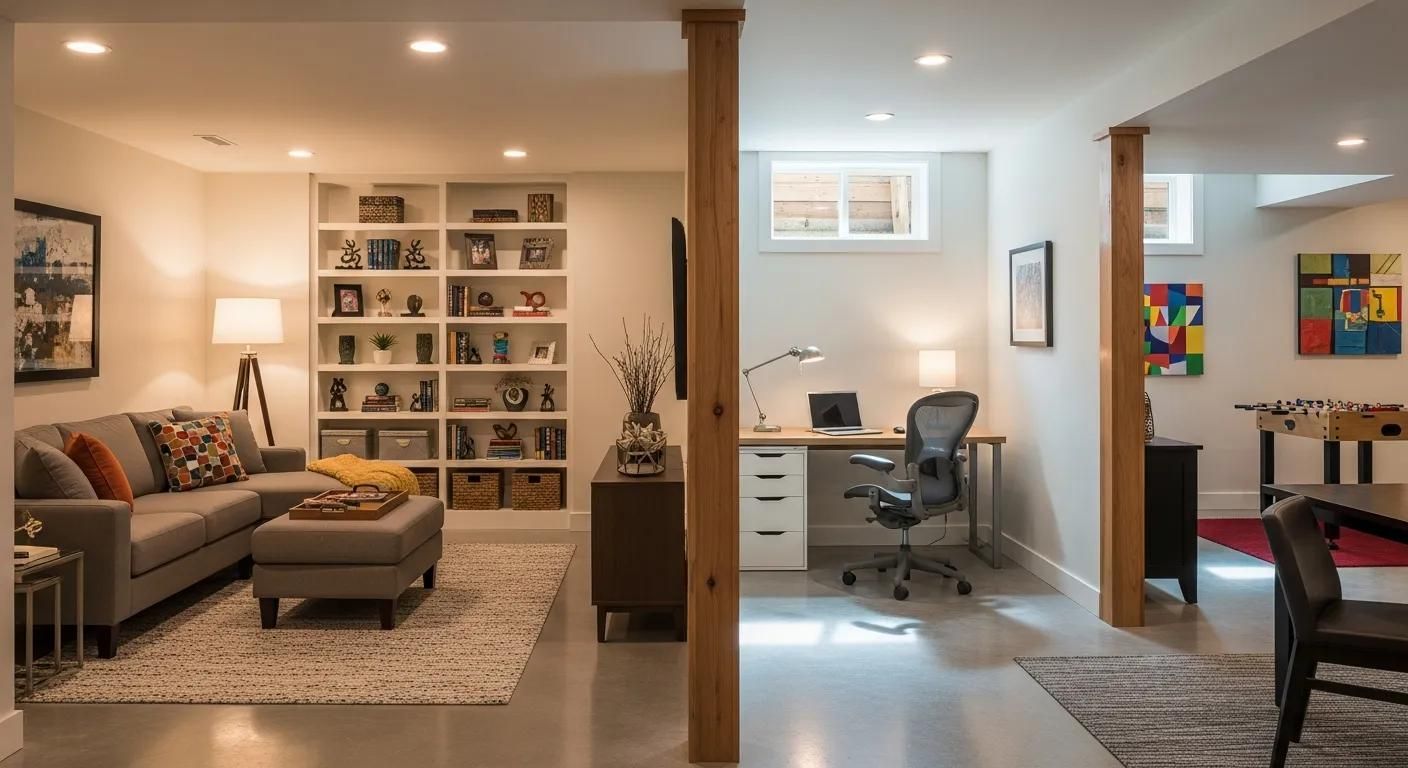
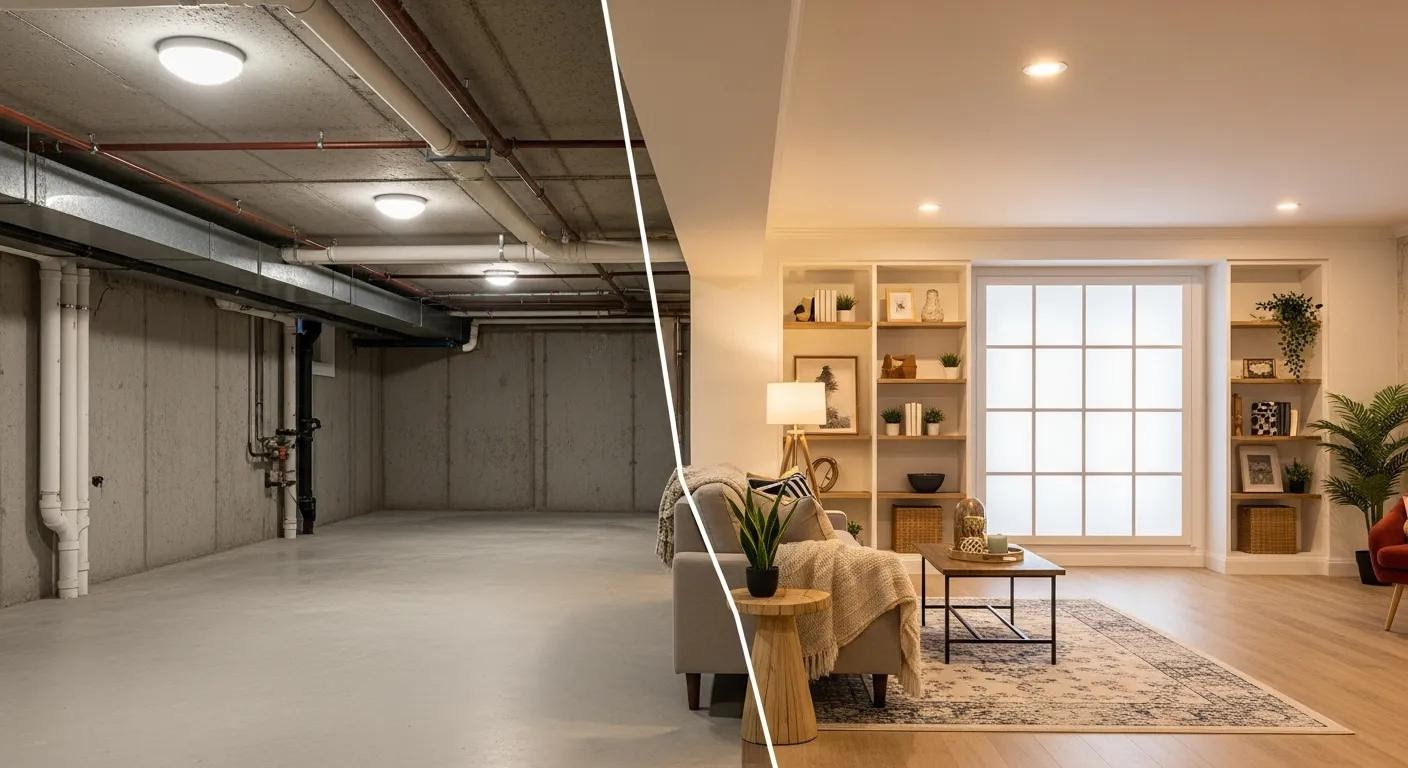
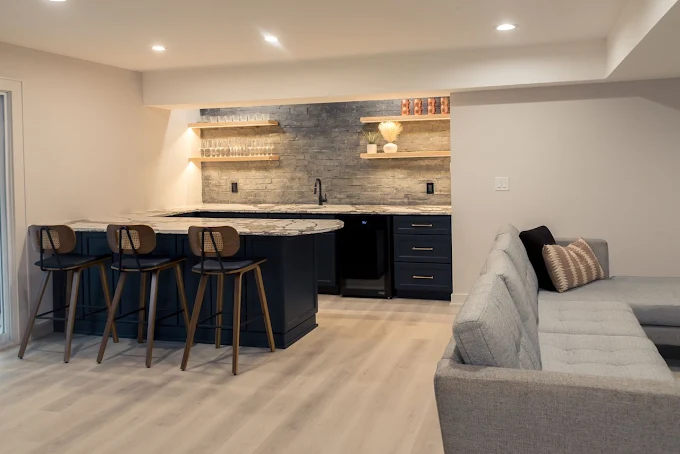
A homeowner in Cumming finished their basement in 2022. The work was good — framed rooms, recessed lighting, a wet bar, and a half bath that added roughly 900 square feet of living space. The project ran about $42,000. When they listed the house two years later, the buyer's inspector flagged it immediately. No permits had been pulled for any of it.
The buyer's lender required documentation from Forsyth County before the loan could close. The seller had two choices: accept a $12,000 price concession or pull retroactive permits, open the walls for inspection, and delay closing by six weeks. They took the concession.
Permits on that project would have cost under $600 and added two to three weeks at the front end. This guide covers what Forsyth County actually requires before a basement remodel begins, such as what triggers a permit, how the application process works, what inspectors check at each stage, what it costs, and how to find a local contractor who manages all of it.
Forsyth Remodeling LLC has been handling permitted basement projects in Cumming and across Forsyth County for over 20 years.
In Forsyth County, most basement remodels require permits from Forsyth County Community Development for any work involving structural changes, new electrical circuits, plumbing rough-ins, or HVAC modifications. Plan review typically takes 5–10 business days, and inspections are required at framing, rough-in, and final stages before a Certificate of Occupancy is issued.
TL;DR — Why Smart Homeowners Hire a Contractor Who Handles the Permits (And How to Find One in Cumming)
- Most basement remodels in Forsyth County require permits for structural, electrical, plumbing, or HVAC work — not just major renovations
- Permit fees typically run $200–$800; confirm current rates with Forsyth County Community Development before budgeting
- Plan review takes 5–10 business days; inspections are required at framing, rough-in, and final stages
- Unpermitted work can surface at home sale, result in denied insurance claims, or require demolition for retroactive inspection
- A licensed local contractor pulls and manages permits under their own license — shifting code compliance liability away from you
What Work Requires a Permit in Forsyth County?
The dividing line in Forsyth County is consistent: if the work affects the structure, the systems, or the safety of the space, it needs a permit. That applies whether you're doing a full basement finish or adding a single room below grade.
| Work Type | Permit Required? | Why |
|---|---|---|
| Adding or removing walls | ✅ Yes | Structural modification |
| New electrical circuits or panel upgrades | ✅ Yes | Safety and code compliance |
| Plumbing rough-ins (wet bar, bathroom, laundry) | ✅ Yes | Drainage, venting, isolation |
| HVAC ductwork extension or new system | ✅ Yes | echanical modification |
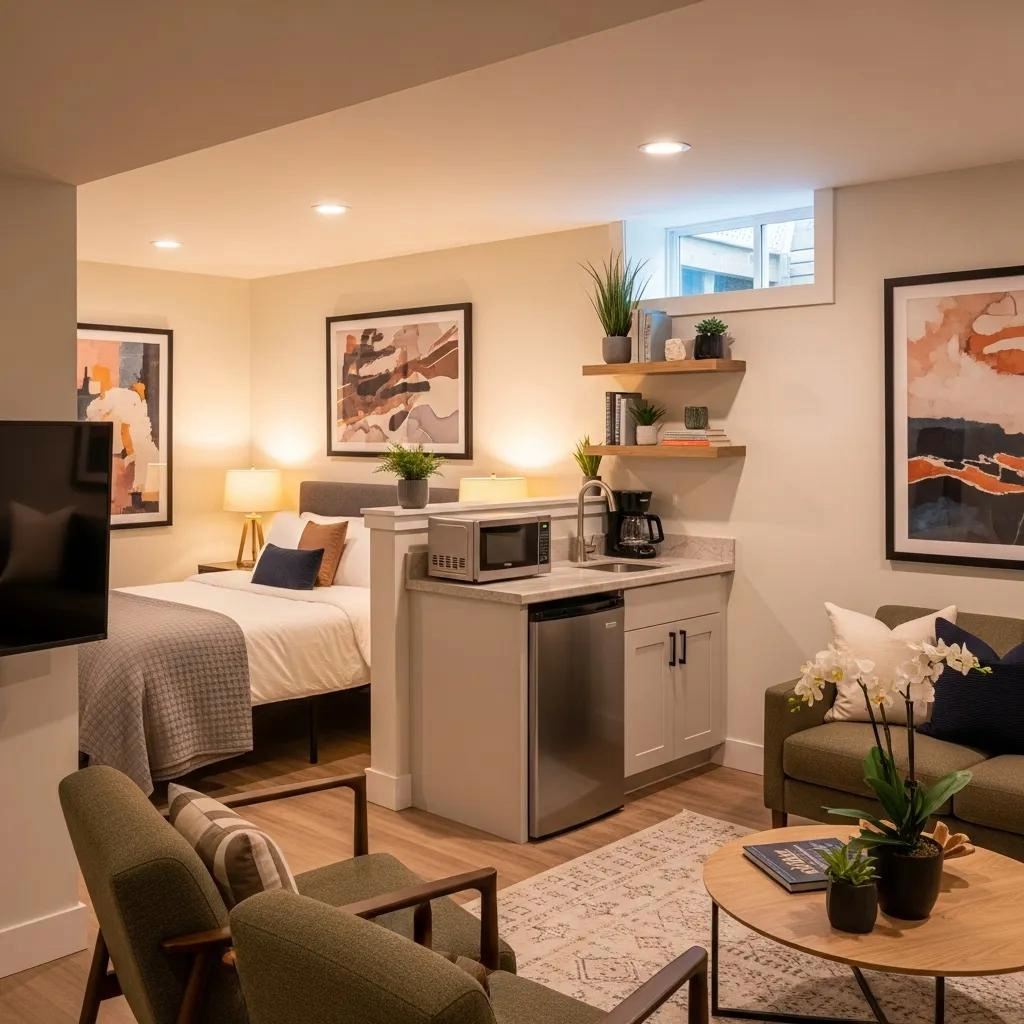
| Egress window installation | ✅ Yes | Required for any bedroom use |
| Paint, flooring, trim | ❌ No | Cosmetic only |
| Non-structural shelving or cabinets | ❌ No | No structural impact |
| Like-for-like fixture replacement | ❌ No | No new circuits added |
Egress windows deserve specific attention. Any room designated as a bedroom must meet egress requirements under Georgia's residential code, and cutting the window into the foundation wall requires a permit because it's a structural modification. It's one of the most commonly skipped permit requirements in basement finishing and one of the most frequently flagged issues during home sales.
When there's any question about scope, confirm directly with
Forsyth County Community Development before work starts. That call takes ten minutes and costs nothing. A reliable contractor will also walk through your full project scope and identify exactly which permits apply before any work begins.
How to Apply for a Basement Permit in Forsyth County
The permit application process is more accessible than most people expect. Here's what the sequence looks like from start to permitted work.
You begin by preparing your scope and plans. For a residential basement, full architectural drawings aren't usually required. A detailed written description of the work, a basic floor plan with room dimensions, and a layout showing electrical or plumbing runs is typically sufficient for plan review.
If the project involves structural changes, like removing load-bearing walls, cutting egress windows, or adding a beam, a stamped engineering drawing may be required. A basement remodeling company in Cumming will know before the application goes in, not after.
Applications go to Forsyth County Community Development, submitted either in person or through the county's online permitting portal. You include the scope, plans, and contractor license information. Depending on the project's complexity, the county may require separate sub-permits for electrical and plumbing on top of the general building permit. For
permit-required construction projects in Cumming, a contractor who knows the county's review process will anticipate which sub-permits apply and include them in the initial application, which keeps the review moving instead of stalling on follow-up requests.
Plan review for residential projects typically runs 5–10 business days. A complete application moves faster than an incomplete one. Once the permit is issued, your contractor posts it at the job site before work begins. From there, the contractor requests inspections at each required milestone. The county doesn't schedule them automatically.
After all inspections pass, Forsyth County issues a Certificate of Occupancy confirming the space is legally finished and code-compliant. Georgia's residential building standards are set at the state level by the
Georgia Department of Community Affairs and enforced locally by the county.
What Inspections Will You Need — and What Do Inspectors Actually Check?
If you've never been through a permitted remodel before, picture the inspector as a final reviewer, not a gatekeeper. Their job is to confirm that the framing, electrical, and mechanical work meets the code designed to protect you, your family, and the long-term value of the house.
When the work meets code, that confirmation is usually a formality. Here's what each checkpoint actually involves.
The framing inspection happens before any drywall goes up. The inspector reviews load-bearing wall integrity, beam sizing, fire blocking between floors, and egress window placement. If something doesn't meet code, you'll receive a correction notice that specifies exactly what needs to change. Fix the issue, request a re-inspection, and continue — work only stops for immediate safety concerns, which are rare on residential framing reviews.
After wiring is run but before walls close, the rough-in electrical inspection confirms panel capacity, circuit sizing, outlet and switch placement, and AFCI/GFCI compliance. Georgia requires arc-fault protection on most circuits in finished living spaces, a requirement that unpermitted electrical work frequently misses, and one that becomes expensive to correct after drywall is up and painted.
If the basement includes plumbing, a separate rough-in inspection checks pipe sizing, drain slope, vent stack connections, and proper isolation before the walls close. Getting the drain slope wrong behind finished drywall is one of the costlier mistakes in a remodeling project — the kind that requires tearing out work that's already been done.
Georgia's climate makes the insulation inspection particularly relevant here. Inspectors confirm that the vapor barrier assembly and R-values meet state requirements for below-grade spaces, requirements that are more specific than what you'd find in guides written for drier climates.
Before the county issues the Certificate of Occupancy, the final inspection covers smoke and CO detector placement, egress window operation in any designated bedroom, and a general code compliance review. Most residential projects pass final on the first or second attempt when the contractor knows what Forsyth County inspectors look for.
How Much Does a Basement Permit Cost in Forsyth County?
Permit fees for a residential basement remodel in Forsyth County typically run between $200 and $800, depending on the project's assessed value and how many sub-permits are required alongside the general building permit. Fees are subject to change. Confirm current rates with Forsyth County Community Development before finalizing your budget.
The base fee is calculated as a percentage of project valuation. The estimated construction cost of the permitted work. A $45,000 project generates a higher base fee than a $15,000 project. Separate electrical and plumbing permits, when required, can add roughly $75–$200 each on top of that. The
International Code Council establishes the national framework counties use to structure permit fees. Forsyth County applies that framework to local project valuations.
When you hire a licensed contractor, permit fees should appear as a line item in your written project quote, not as an addition after you've signed. If a contractor's proposal makes no mention of permits at all, ask about it directly before agreeing to anything. And if the overall project cost is a consideration, Forsyth Remodeling
offers financing options that make larger basement projects more manageable.
What Happens If You Skip the Permit?
Most people who skip permits aren't trying to cut corners. They're trying to avoid what feels like an unnecessary process, or they've been told by a contractor that it isn't really needed for their type of project. Here's what actually happens.
The most common consequence surfaces at resale. Buyers' inspectors and lenders are trained to identify finished basement square footage with no permit history. It's a standard item in any thorough home inspection, and lenders flag it before approving a loan. The typical resolution is a price concession or a delayed closing while retroactive permits are pulled. Neither is a small inconvenience.
The insurance consequence is less visible but just as real. Most homeowner's insurance policies exclude losses in unpermitted spaces. If a flood or fire occurs in an unpermitted finished basement, the insurance company can deny the claim entirely. The space wasn't legally permitted when it was built, and the policy exclusion stands regardless of the cause.
The county consequence is the most disruptive: if unpermitted work is reported by a neighbor, a contractor during a later permitted project, or an inspector, Forsyth County can require the walls to be opened for after-the-fact inspection.
If the work doesn't meet code, the county requires you to correct or remove it, at your expense, regardless of when the problem surfaces. Retroactive permits are available, but they require the same inspections as front-end permits, which means opening walls that have already been finished and painted.
North Georgia Basements Have Specific Requirements You Won't Find in National Guides
Most basement permit guidance online comes from contractors in the Midwest or Mid-Atlantic. Forsyth County has factors that those resources don't cover, and they come up during plan review and inspections, whether a contractor knows about them or not.
Forsyth County's terrain produces a high percentage of homes with walk-out or daylight basements, where one side of the foundation opens at grade level while the other side is fully below ground. These carry different structural and egress requirements than a fully below-grade basement.
Egress, drainage design, and the framing inspection all look different on a walk-out than on a standard flat-site basement. A contractor who primarily builds in flat-terrain markets may not know the distinction before they start, and it shows up in how the permit application is prepared, sometimes only after plan review has already flagged it.
Georgia's red clay soil adds another layer specific to this area. Forsyth County's clay-heavy soil drains poorly, and basement finishing projects that don't account for drainage and moisture management near exterior walls create problems that surface years after the project closes.
Permit reviewers look at drainage plans for this reason, and experienced local contractors design around clay soil from the start.
Finishing your basement in Forsyth County isn't the same as finishing a basement where the soil drains freely. It requires understanding what's happening below grade, not just inside the walls.
HOA requirements add a third layer in several Cumming communities. Windermere, Polo Golf & Country Club, and other master-planned communities in the area have architectural review processes that sit on top of county permits.
For exterior modifications like egress window cuts, your HOA may require approval before you can even submit the county permit application. A contractor who has worked in these communities knows which ones have this requirement and how to sequence the approvals so the project doesn't stall waiting on the wrong one.
Georgia's vapor barrier requirements for below-grade spaces are calibrated to humidity levels significantly higher than the national averages that most online remodeling guides are written for. It's a detail that comes up at the insulation inspection, and one that out-of-state contractors consistently underestimate, usually because they haven't built in this climate before.
Homeowner vs. Contractor — Who Should Pull the Permit?

Georgia homeowners can pull permits for their own residences. For a straightforward DIY project, a non-structural partition wall, and a single fixture swap. That's a reasonable path. For a full basement remodel touching electrical, plumbing, and structure, the process is more involved than you'd expect, and the stakes of getting it wrong are higher.
When a licensed contractor pulls the permit under their own license, they take on responsibility for code compliance. If work fails an inspection, they fix it, not you. If unpermitted issues surface during a home sale years later, their license and insurance are what's on the line.
That accountability structure doesn't exist when a homeowner pulls the permit for work someone else is performing. The liability shifts entirely to whoever holds the permit, and that distinction matters more than most people realize until something goes wrong.
Beyond liability, a contractor with Forsyth County experience moves through the process more efficiently. They know what plan reviewers expect to see in an application, which sub-permits require separate submissions, how to schedule inspections without disrupting the build timeline, and what to prepare for at each checkpoint.
Here are five things to confirm before hiring a basement contractor in Cumming:
- Active Georgia license. Before signing anything, verify it directly at sos.ga.gov. The Secretary of State maintains a searchable contractor license database.
- They pull permits in their own name. If a contractor asks you to pull the permit for work they're performing, the code compliance liability transfers to you.
- Permit fees are in the written contract. This should not be a surprise addition after you've agreed to a price.
- Direct Forsyth County experience. Walk-out basements, clay soil drainage, and local HOA overlays are things a contractor either knows or learns on your project.
- Present for every required inspection. Someone from their team attends every milestone inspection, not you, and not a subcontractor who wasn't on-site during the build.
Members of the
National Association of the Remodeling Industry have agreed to professional standards and a code of ethics, one additional credential worth looking for alongside state license verification. Managing permits, inspections, and county coordination on top of an active remodel is a real-time commitment, one that a
licensed basement remodeling company in Cumming takes entirely off your plate.
Getting Started With Your Forsyth County Basement Remodel
The permit process for a basement remodel is more manageable than it looks from the outside. The application is standard documentation, and plan review runs in business days, not months.
What makes it feel complicated is managing that process alongside an active construction project, which is why the people with the smoothest experience tend to be the ones who hand that coordination to their contractor from the start.
Forsyth Remodeling LLC is a family-owned, licensed general contractor that has been finishing and remodeling basements in Cumming and throughout Forsyth County for over 20 years. Permits, inspections, and county coordination are part of every project. You can read exactly
how we manage your remodel from permit application to final walkthrough. If you're planning a basement project and want to understand the full scope, timeline, and cost, call us at 770-904-9687 or start with a free estimate online.
Tell Us Your Next Project
Insights to fuel your marketing business
Sign up to get industry insights, trends, and more in your inbox.
Contact Us
We will get back to you as soon as possible.
Please try again later.
SHARE THIS
Latest Posts